
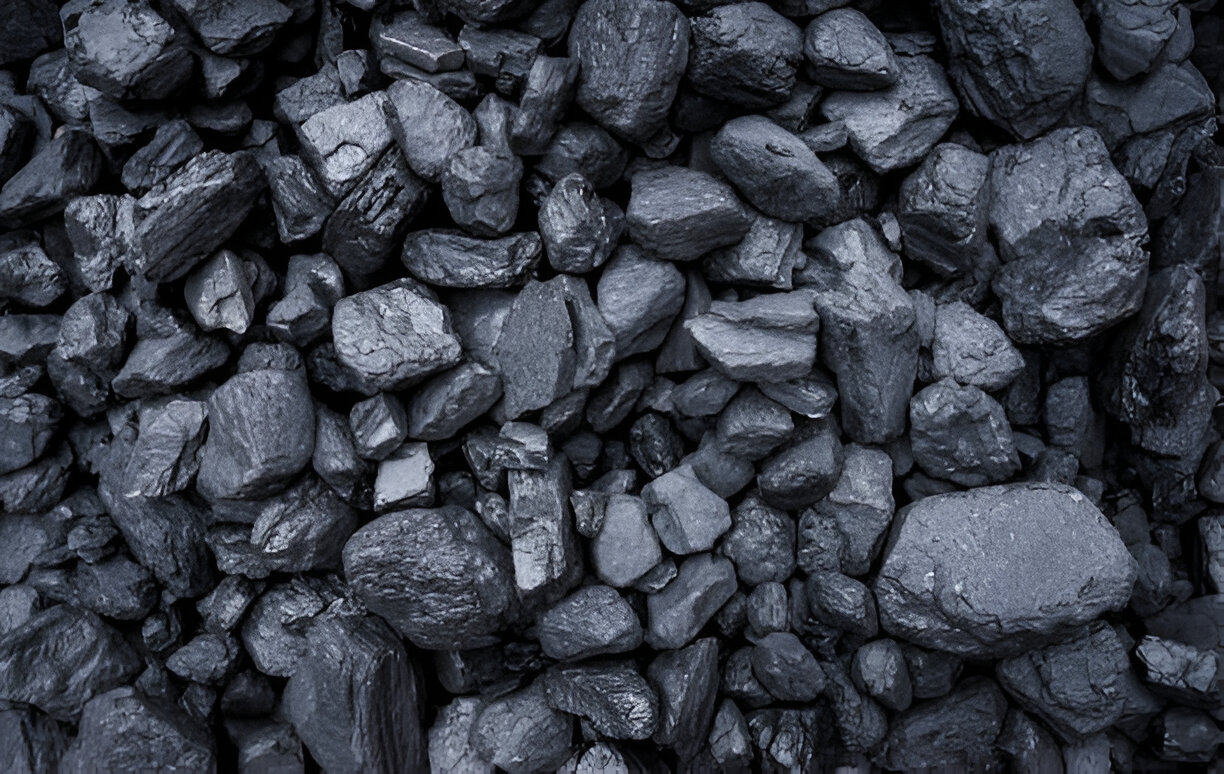
Charcoal and firewood are among the oldest sources of energy known to humanity, yet they continue to play a significant role in today’s global economy and industrial landscape. While often associated with traditional uses, these natural fuels remain vital in various sectors—particularly in regions where access to modern energy sources is limited or where sustainable practices are being emphasized.
At ZENOMAGNUS LIMITED, we supply high-quality charcoal and firewood that meet both domestic and industrial requirements. Our products are sourced and processed responsibly to ensure maximum efficiency, minimal environmental impact, and compliance with international standards.
Economic and Industrial Importance
1. Energy Source for Households and Small Enterprises
In many parts of the world, especially in developing economies, firewood and charcoal are still the primary sources of cooking and heating energy. Their affordability and availability make them essential for millions of homes and small businesses.
2. Industrial Use
Charcoal is widely used in metallurgy and blacksmithing industries due to its high carbon content and clean-burning properties. It serves as a reducing agent in metal production and as a heat source in processes where clean combustion is crucial.
3. Agricultural and Food Processing
Charcoal and firewood are also key energy sources in food processing industries such as tobacco curing, fish smoking, baking, and drying of agricultural products. Their consistent heat output and ease of use make them practical for rural-based industries.
4. Economic Impact
The production and trade of charcoal and firewood support livelihoods in forestry, transportation, and small-scale manufacturing sectors. In many countries, these industries provide employment to thousands and contribute to the informal economy.
Sustainability and Future Outlook
As global awareness grows around sustainable resource use, there is increasing demand for responsibly harvested and eco-friendly charcoal and firewood. Innovations in kiln technologies and reforestation efforts aim to make the production process more efficient and less harmful to the environment.
Charcoal made from agricultural waste and sustainable timber is gaining popularity as a renewable biomass fuel, providing a bridge between traditional energy use and modern environmental goals.